Why Is Aspen So Expensive? What I Tell Every Buyer
Why Is Aspen So Expensive? What I Tell Every Buyer

By Kristin Balko, Luxury Real Estate Broker, Douglas Elliman Aspen | Snowmass
Published November 5, 2026 · Data: 2025 Aspen/Glenwood MLS
THE SHORT ANSWER
Aspen is expensive because there is very little land and very little new supply. The town is surrounded by mountains, protected land and strict zoning, so it can’t spread out. New listings come up slowly and sell quickly, and building a new home here ranks among the highest construction costs in the country. Add buyers who come for lifestyle and legacy, not just an investment, and prices stay high.
“Why does everything cost so much here?” is the first question almost every buyer asks me, usually on the drive in from the airport. It’s a fair question. Here’s the honest answer I give, with the 2025 numbers behind it.
READ THE TRANSCRIPT
Why is Aspen one of the most expensive places in the world? Let me show you why this small mountain town holds such extraordinary value.
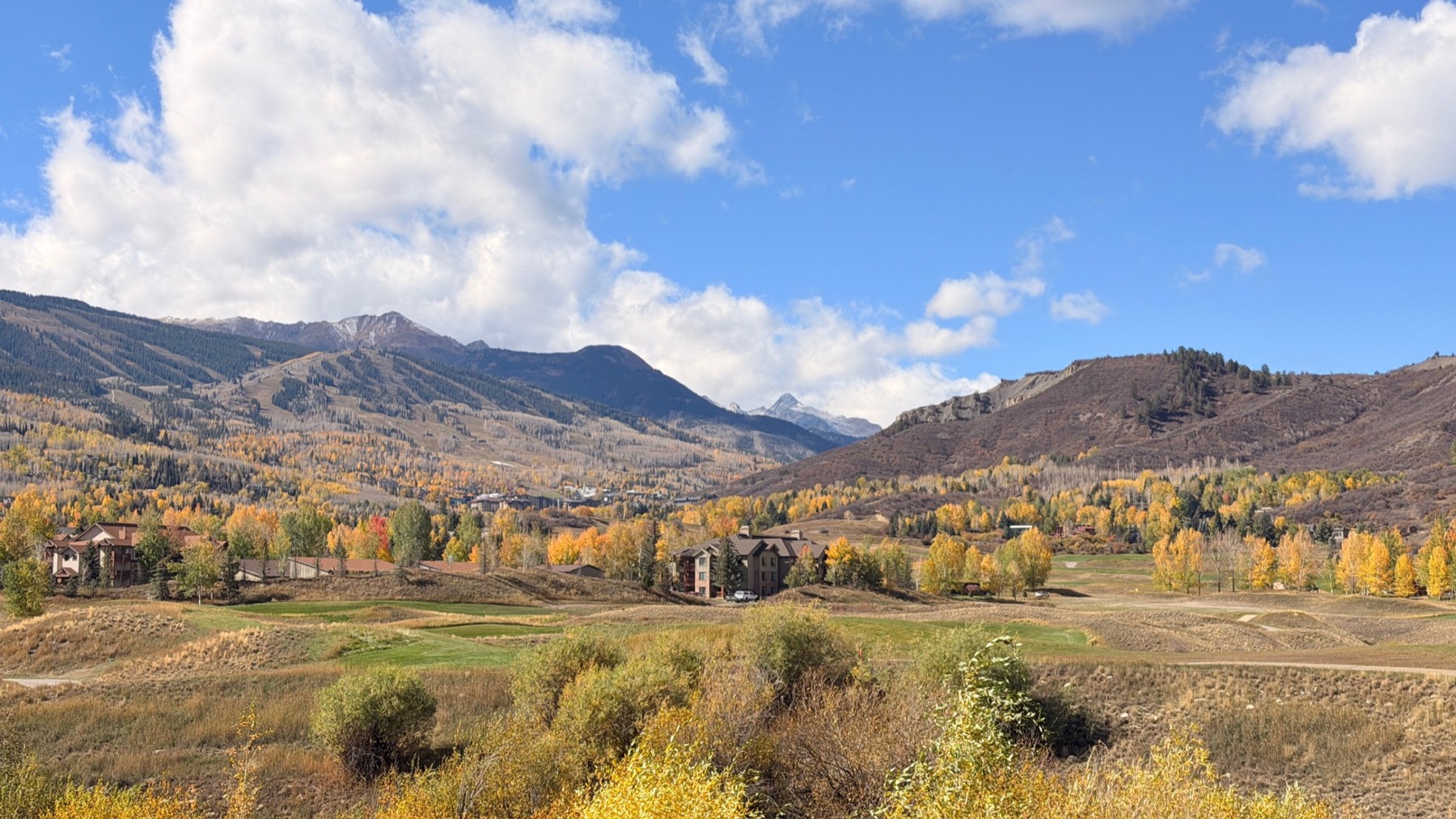
Aspen isn’t just a ski town. It’s a village surrounded by protected land: no sprawl, no overbuilding. What exists today is all there will ever be. That’s the beauty and the challenge. When something can’t expand, it becomes rare.
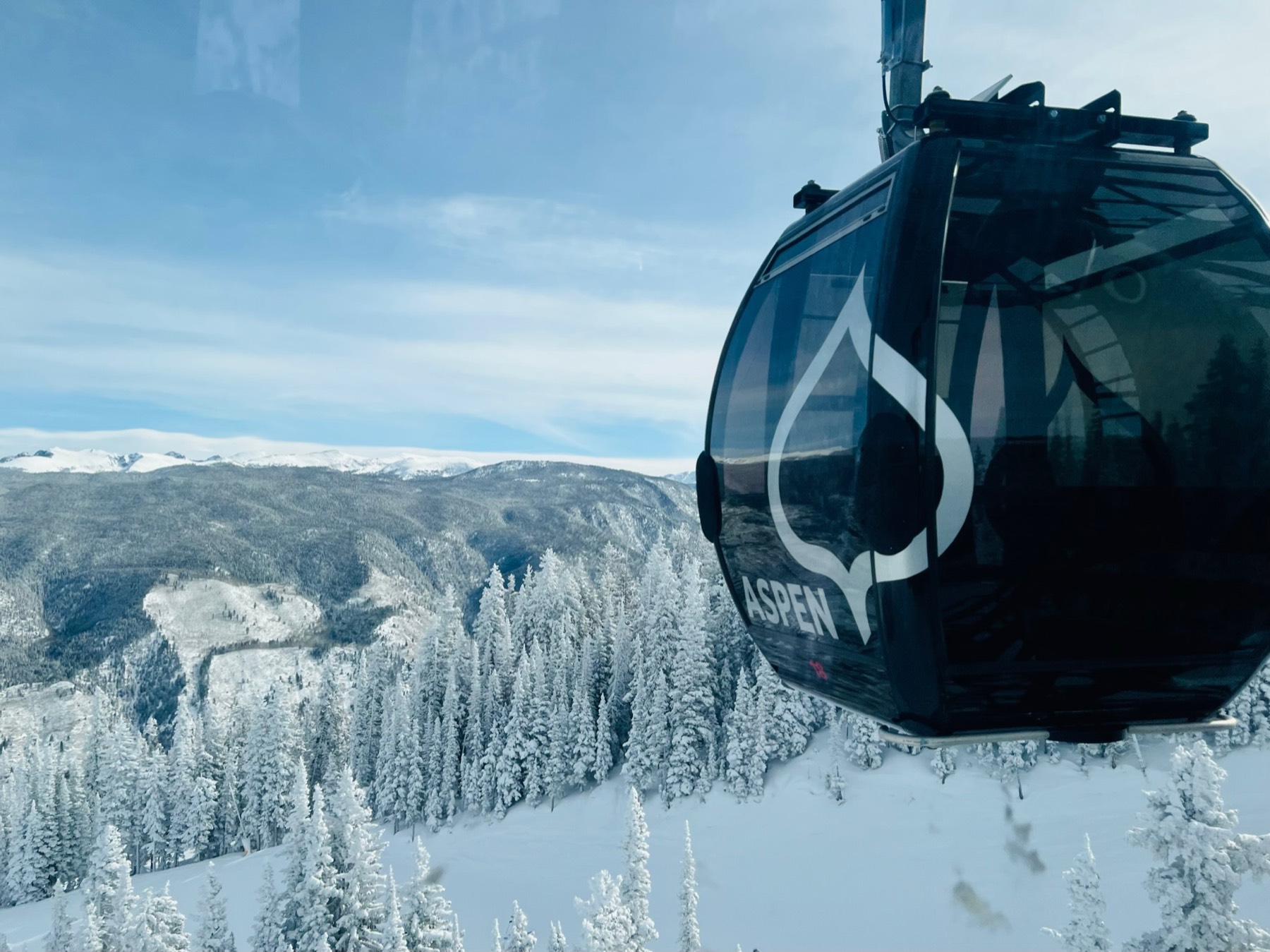
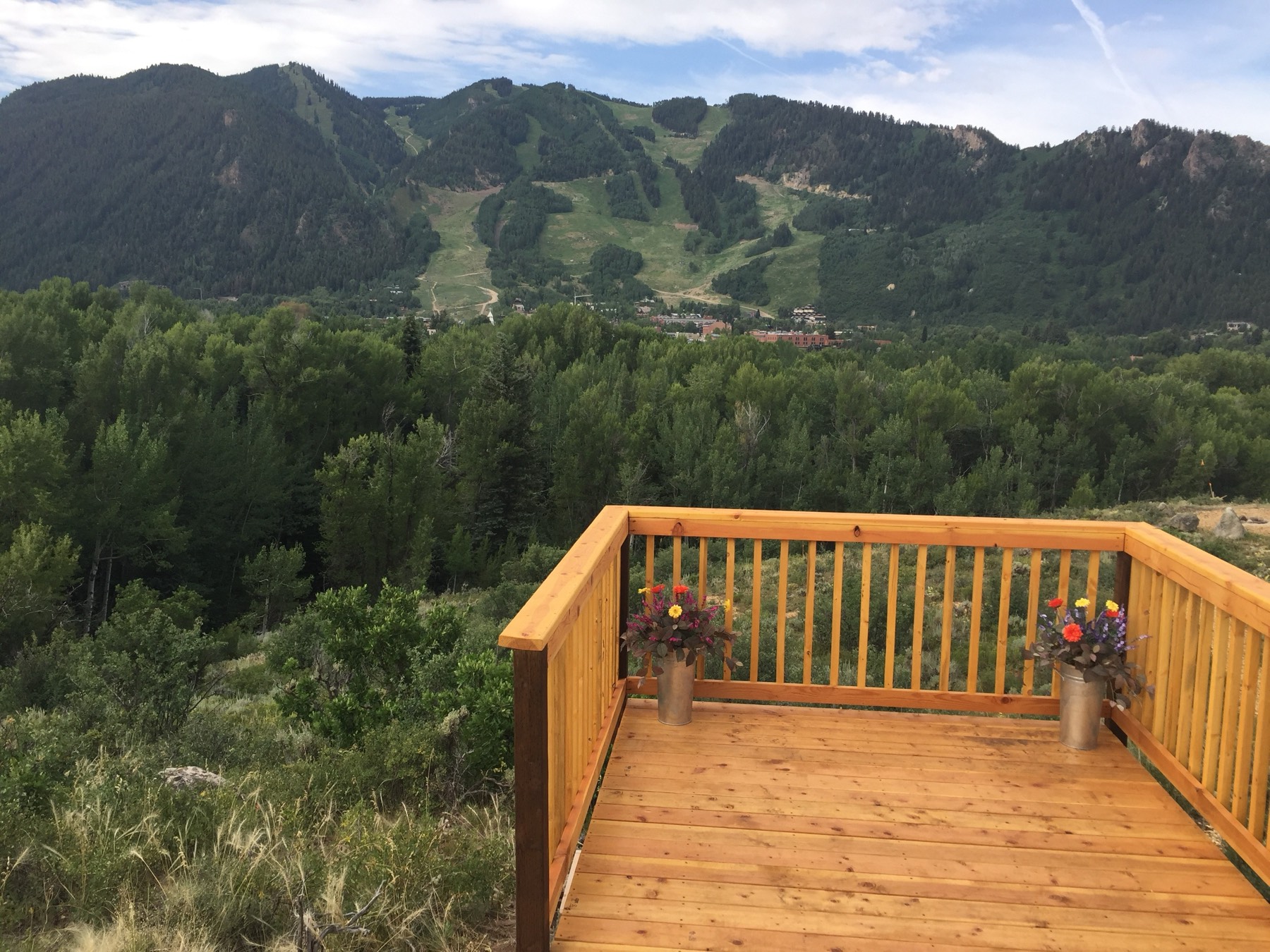
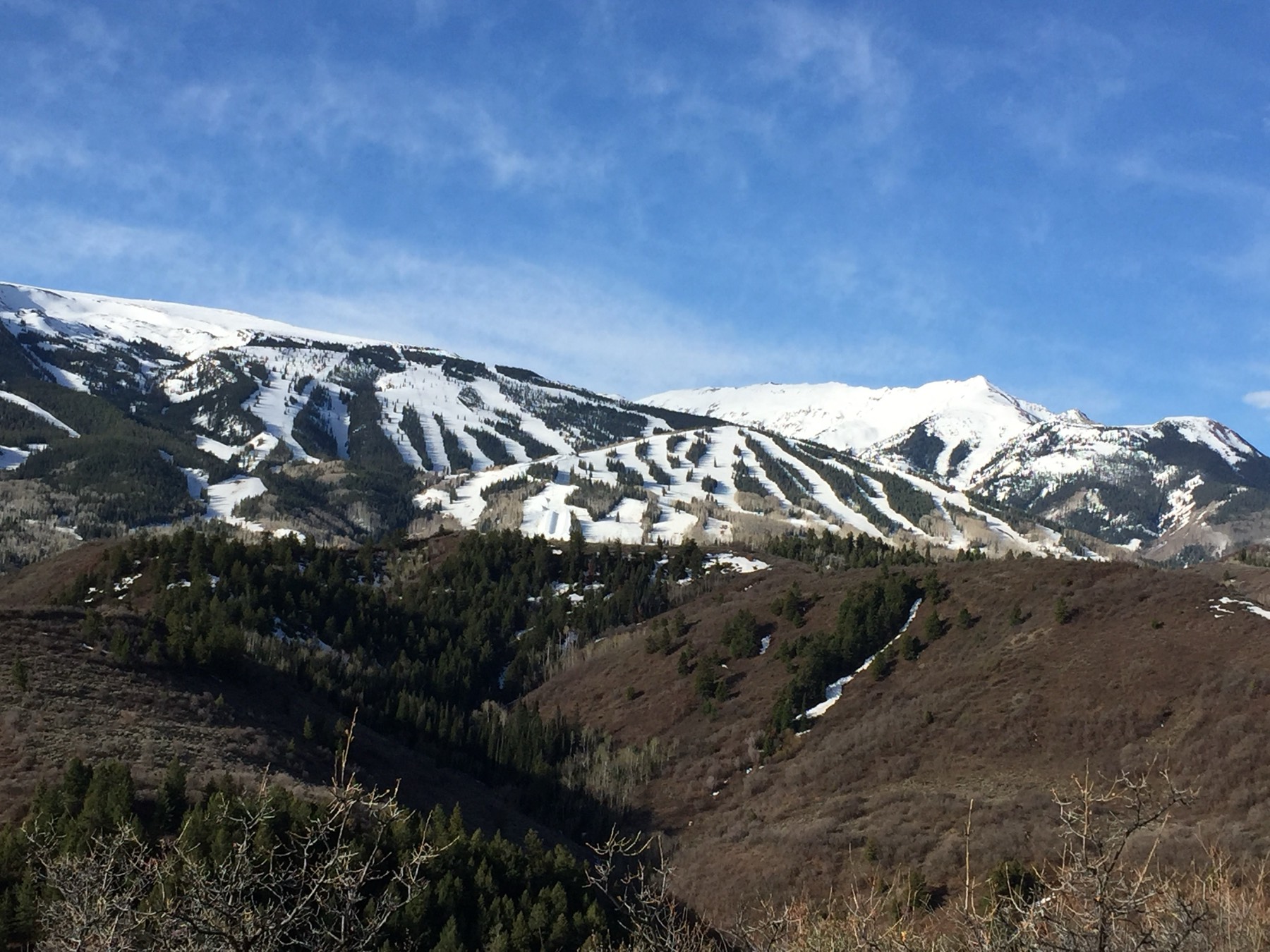
It starts with the physical Aspen, the geography. Four world-class ski mountains, open six months a year, with the best snow and nearly 250 days of sunshine. And unlike anywhere else, Aspen Mountain starts and ends at the town. When you ski down, you land in the heart of it all: Gondola Plaza, restaurants, galleries, steps away. Not Vail, Breckenridge, Steamboat Springs, Crested Butte, not anywhere else in North America. Only Aspen.
Then we move into the historical Aspen. Once a silver mining town, Aspen’s Victorian charm has been protected for generations. You can’t recreate that: the original homes, the brick streets, the feeling of history beneath your feet.
But Aspen isn’t just about luxury. It’s about ideas. Forums, film festivals, music, art and world-class dining, all within a walkable village. Where else can you listen to global thought leaders by day and catch a live music concert at night?
The outdoors here is unmatched: rivers that shimmer with Gold Medal trout, Independence Pass rising over 12,000 feet, and scenery that belongs in a painting. Surrounded by protected open lands, hiking, biking, skiing, rafting and fishing are all within walking distance of Aspen.
Aspen is the home of giants, both literally and figuratively. The residents are people who have lived their lives to a different drumbeat: business leaders, entrepreneurs, artists, athletes, innovators and visionaries. That’s the energy that fills this valley.
Aspen isn’t expensive because it’s exclusive. It’s expensive because it’s irreplaceable.
If you’ve ever wondered what makes Aspen so special, watch this video again, or let’s grab a coffee.
Why is there so little land to build on in Aspen?
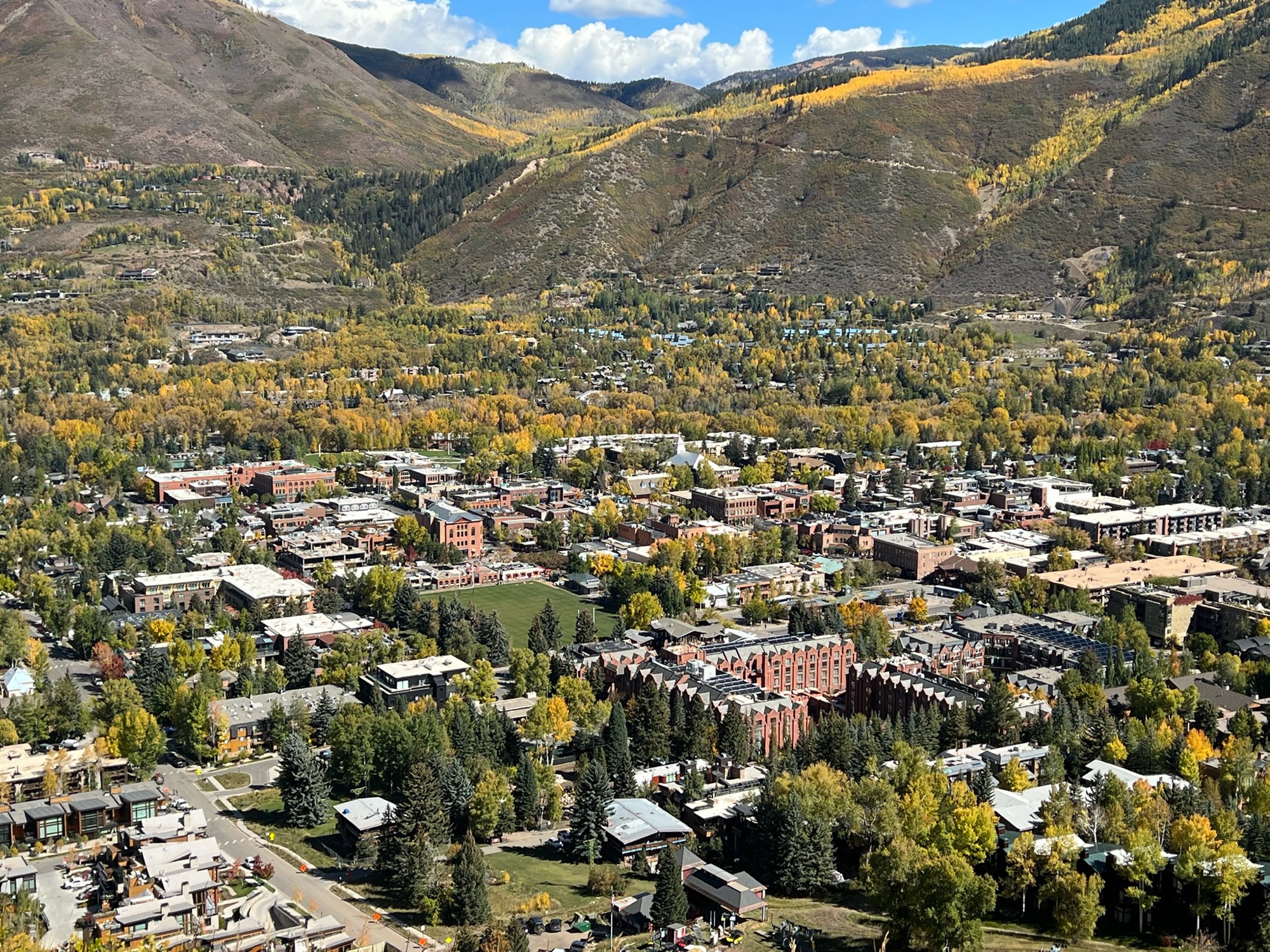
Aspen is boxed in. The town sits at the end of a narrow valley with Aspen Mountain, Red Mountain and Smuggler Mountain rising on its edges, and much of the land around it is protected public land. On top of that, local zoning is strict about how much can be built and where.
The result is simple: the town can’t spread out the way a city can. There is a fixed amount of land, and most of it was spoken for long ago. When supply can’t grow, prices do.
Why do Aspen homes sell so quickly?
New listings appear slowly here, and the good ones are often absorbed quickly. I tell buyers that waiting for “more options” can mean missing the right one.
I’ve seen it firsthand. On Snowbunny Lane in Aspen, I identified a home for my buyers the day it was listed, and it went under contract immediately. On West Main, I contacted my clients before the home was publicly listed, and multiple offers followed. Some of the best homes never reach the market at all. My most recent notable sale, on West Hallam Street at $18.8MM, was off-market from start to finish.
Why does building a new home in Aspen cost so much?
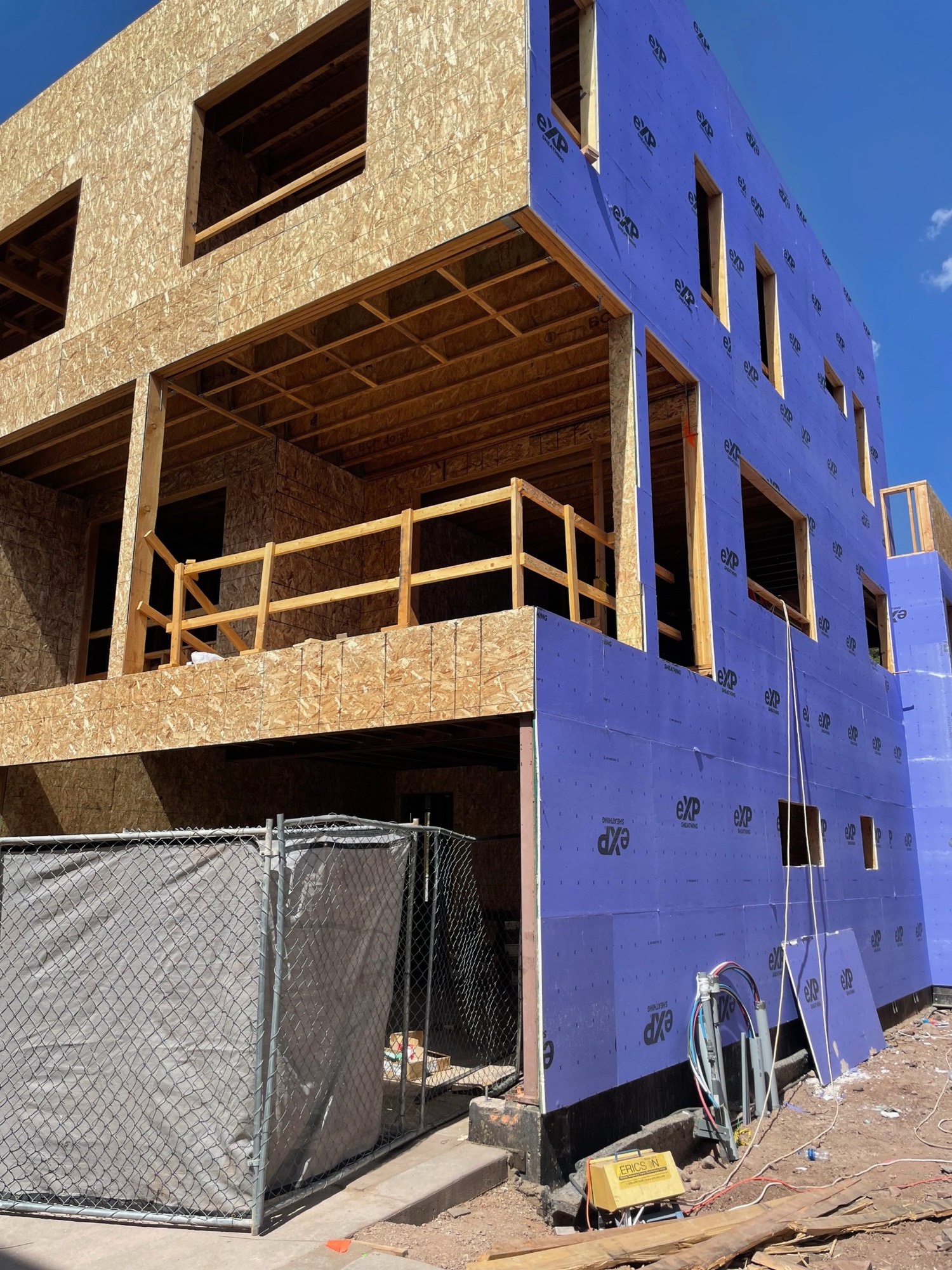
This is the biggest surprise for buyers coming from outside Colorado. Building in Aspen and Snowmass is not like building anywhere else. It ranks among the highest construction costs in the country, and in the luxury segment, costs climb further with finishes and design.
Permitting takes patience. Review timelines can be long, and City of Aspen permit fees are a meaningful part of the budget. Construction itself is rarely quick; from planning to final delivery, projects often span multiple years. Aspen also faces pressures beyond labor and materials: remote logistics, regulatory requirements, contractor margins and limited supply.
That’s why newer existing homes and thoughtful renovations often represent exceptional value here. Replacing a home today can be far more costly and time-intensive than most buyers expect.
What does a home in Aspen cost per square foot?
It depends heavily on the neighborhood. Here’s what single-family homes sold for in 2025, from my neighborhood pricing guide:
| Neighborhood | Homes sold | Price range | Median $/sq ft |
|---|---|---|---|
| Central Core | 5 | $12.4M – $58.25M | $6,087 |
| West End | 16 | $6.325M – $55.45M | $4,259 |
| East Aspen | 15 | $5.2M – $35.5M | $3,436 |
| Red Mountain | 7 | $11.5M – $37.75M | $3,208 |
| McLain Flats / Starwood | 9 | $7.1M – $56.5M | $2,816 |
| West Aspen | 20 | $6.1M – $53.5M | $2,647 |
Source: Aspen/Glenwood MLS, 2025, compiled by Kristin Balko. See every neighborhood in my pricing guides.
Notice the spread: the median price per square foot in the Central Core was more than double West Aspen’s. Choosing the right neighborhood matters as much as choosing the right house.
Condos are the most accessible way in. In 2025, one-bedroom condos in Aspen sold at a median of $3,661 per square foot, compared with $1,623 in Snowmass Village, where you typically get more space for the money.
Is Aspen worth the price?
Many buyers here aren’t only making a financial decision. They’re buying for lifestyle, for family and for the long term. That’s a big part of why Aspen has held its value for decades: it is the most limited and most expensive real estate in the valley, and people who buy here tend to stay.
I think of it as the Bank of Aspen. Quality, scarcity and time in the market do the work. That’s not a promise about next year’s prices; nobody can make one. It’s why I encourage buyers to think in decades, not seasons.
What this means if you’re buying
- Pick the neighborhood first. Price per square foot can vary by thousands of dollars within a mile.
- Look beyond the MLS. I contact owners directly for my buyers, because some of the best homes are never listed.
- Be ready to move. Have financing and your must-haves settled before the right home appears.
- Weigh a renovation against building new. Given costs and timelines here, an existing home with good bones is often the smarter path.
QUICK ANSWERS
Why is Aspen real estate so expensive?
Aspen is surrounded by mountains, protected land and strict zoning, so supply is limited. New listings appear slowly and sell quickly, and building a new home here ranks among the highest construction costs in the country.
What is the price per square foot for a home in Aspen?
In 2025, the median for single-family homes ranged from $2,647 per square foot in West Aspen to $6,087 in the Central Core, according to Aspen/Glenwood MLS data.
Is Snowmass Village less expensive than Aspen?
Generally, yes. Snowmass Village typically offers more square footage for the money. In 2025, one-bedroom condos had a median of $1,623 per square foot in Snowmass Village, compared with $3,661 in Aspen.
Are there extra costs when buying in Aspen or Snowmass?
Yes. Aspen charges a 1.5% real estate transfer tax and Snowmass Village charges 1%. Some HOAs and developments add their own transfer fees, so check every property.
Market data from the Aspen/Glenwood MLS, 2025. Information is believed accurate but not guaranteed; verify property details independently. Building insights adapted from Kristin Balko’s Buying in Aspen guide.
KEEP READING